

Understanding the psychology behind gambling what drives the thrill
The Allure of Risk and Reward
The thrill of gambling often stems from the alluring promise of risk and reward. When individuals engage in gambling, they are not merely placing bets; they are participating in a high-stakes game where the potential for substantial gains ignites a rush of adrenaline. This combination of risk and reward activates the brain’s reward system, leading to feelings of excitement and euphoria when a win occurs. Furthermore, many enthusiasts enjoy playing online poker real money, which adds another layer of excitement to the experience.
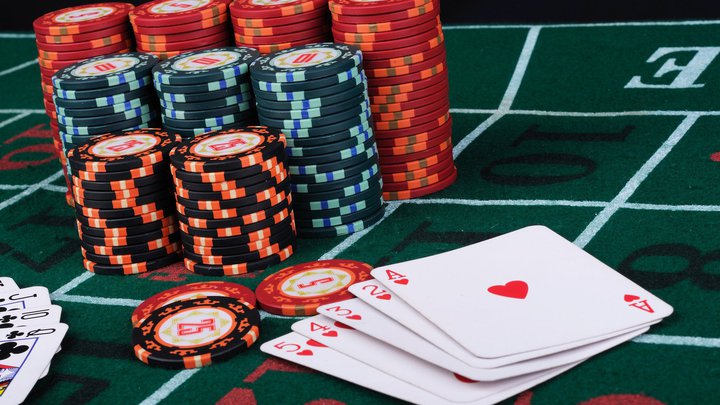
Additionally, the unpredictability of gambling serves to heighten this excitement. The uncertainty of outcomes fuels anticipation, making each bet feel like a tantalizing gamble. This element of surprise taps into human nature’s inherent desire for novelty and adventure, encouraging people to take risks they might otherwise avoid in everyday life.
The Role of Cognitive Biases
Cognitive biases play a significant role in the psychology of gambling, often influencing players’ decisions in ways they may not even realize. One common bias is the illusion of control, where individuals believe they can influence the outcome of games of chance through skill or strategy. This misconception can lead to overconfidence, causing players to take larger risks based on unfounded beliefs.
Another prevalent cognitive bias is the gambler’s fallacy, where individuals mistakenly believe that past outcomes affect future probabilities. For instance, someone might think a particular slot machine is “due” for a win after a series of losses. These biases create a distorted sense of reality, encouraging continued play and often resulting in financial losses.
The Social Aspect of Gambling
The social dynamics surrounding gambling can significantly enhance its appeal. Many people enjoy gambling in a communal environment, where shared experiences amplify the thrill. Whether in a bustling casino or a friendly poker game, the interaction with others contributes to a heightened emotional experience.
Moreover, social approval and camaraderie can drive individuals to gamble more. The desire to fit in or impress peers often leads to increased risk-taking behavior. This social aspect not only makes gambling a fun activity but can also lead to addictive patterns when individuals feel pressured to maintain their status within a group.
The Psychological Impact of Winning and Losing
The psychology behind the emotional highs of winning and the lows of losing is intricate and powerful. Winning can trigger a flood of positive emotions, reinforcing the desire to continue gambling. This response is driven by the release of dopamine, a neurotransmitter associated with pleasure and reward, leading individuals to chase that euphoric feeling.
Conversely, losses can evoke feelings of frustration, disappointment, and even desperation. Many gamblers develop a chasing behavior, where they continue to gamble in hopes of recouping losses, often spiraling into a cycle of increased risk and potential harm. Understanding these psychological impacts is crucial for recognizing the potential dangers of gambling addiction.

Exploring More About Gambling Psychology
For those interested in delving deeper into the psychological aspects of gambling, a wealth of information and resources is available. Understanding the intricate interplay between human behavior and gambling can provide valuable insights for both players and those seeking to support them.
Exploring this fascinating topic can help demystify many myths and misconceptions surrounding gambling, shedding light on the emotional and cognitive factors that drive individuals to engage in this often controversial activity. Whether for personal interest or academic pursuits, the psychology of gambling offers a rich field of study that continues to evolve.